
In October, Threls was invited to present at the Malta Chamber’s Digitisation Series workshop, an event on digital transformation and business optimisation. We were humbled to be asked. At Threls we try to make sure that any one of us can stand up and be the company’s ambassador, whoever happens to be in the room. This time, it was me.
I was third on a running order of five. The other four speakers were mostly CEOs and founders, all men, all comfortable on a stage in a way I am not yet.
I'll be honest about how I felt, not just on the day but in the days leading up to it: nervous, and more than a little daunted. The kind of feeling where you read the running order, count the titles after each name, and wonder what you're doing on the same bill.
What I had to offer
The topic I'd been given was "how seamless digital experiences transform tourism operations at scale". It's a title that invites numbers. Conversion rates, time saved, revenue per channel. I didn't have those, and not because we don't track anything. We don't judge our work that way, and I'd have been pretending if I'd stood up and done so.
So I said so early on. You won't hear a percentage from me this morning. Then I told one story, about one business in Gozo, and held it to the three questions we hold all our work to. Are the people calmer? Are they clearer? Are they closer to the purpose that got them into this in the first place?
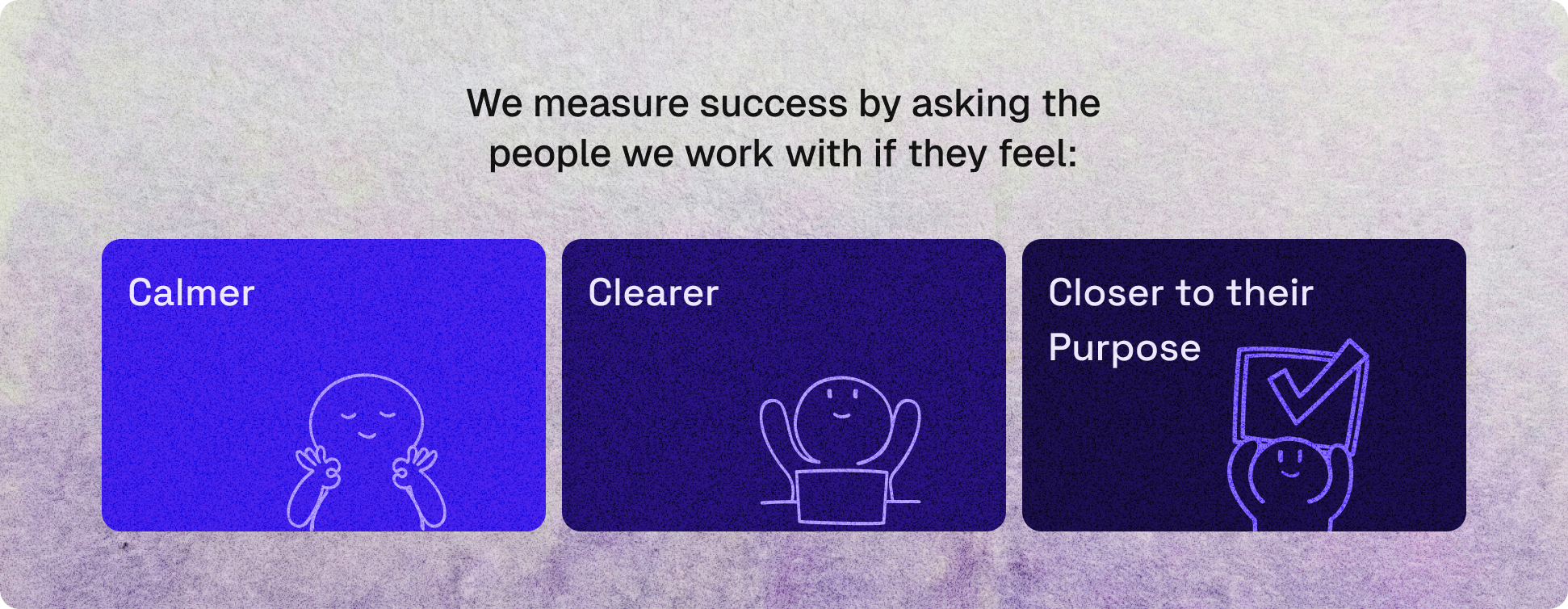
Find out more about the Threls Philosophy
What the room gave back
People listened. Heads nodded, and that was true for every speaker that morning; it was a generous room, there to learn. I can't claim any of that as mine.
What stayed with me came after.
One of the other speakers came over and said he was glad there'd been a young person on the bill. I told him he might have been glad, but I'd been dreading it. We both laughed, and it was entirely true.
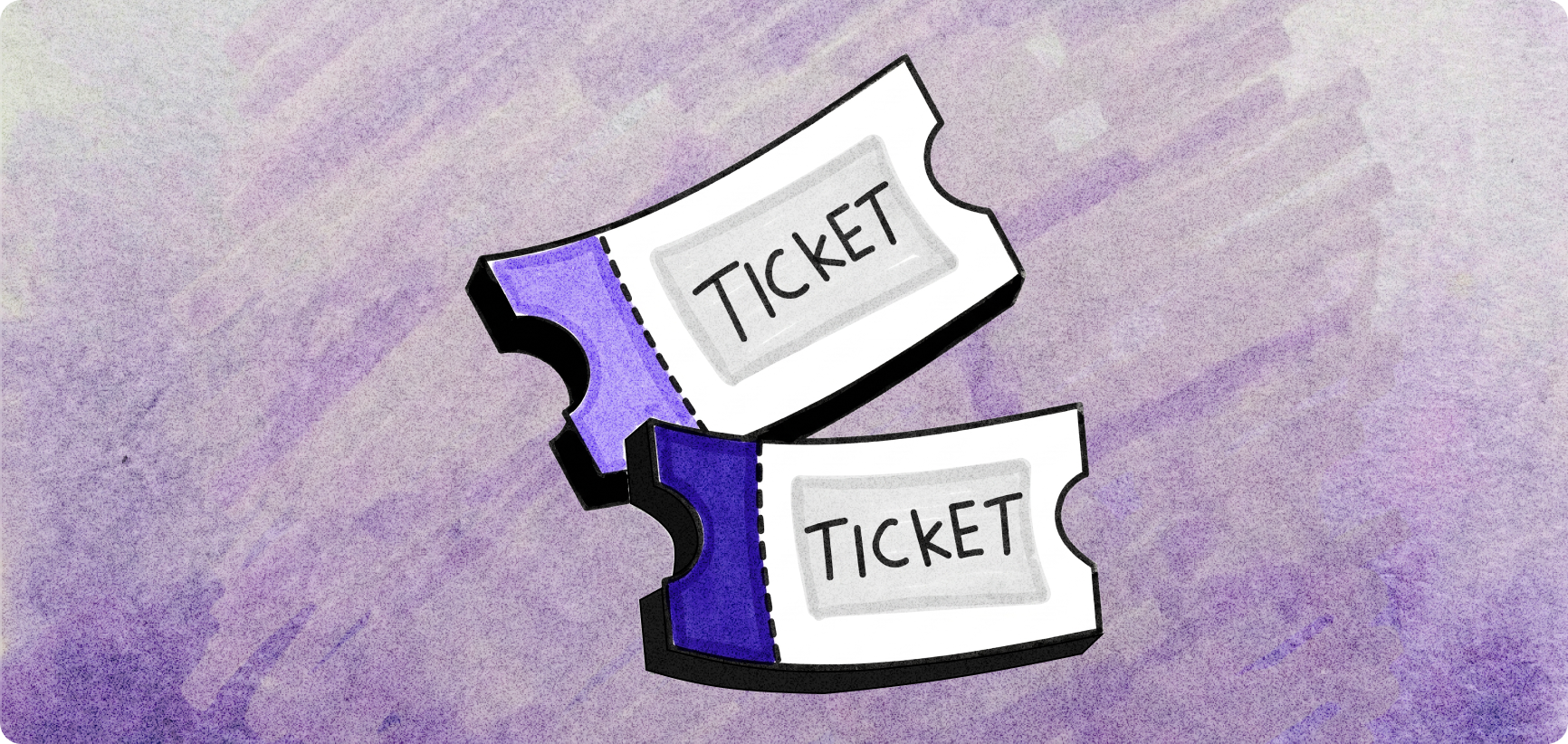
Then a woman from the audience found me. She hadn't come to ask about the ticketing platform or the agent portal, the parts I knew inside out from having worked on the project. What had stuck with her was the simplest thing in the whole talk: the tickets are colour-coded by day of the week.
That detail isn't clever technology. It exists because we sat with how a boarding point actually works: a driver, a queue, about a second and a half per person to check if a ticket is valid for today. A colour does that at first glance. A date doesn't. It came out of paying attention to the person at the door.
She said that was what she'd liked. That the story kept coming back to the people. Because at the end of the day, it's how they feel.
What I'm still turning over
Two things.
The first is that being different gets remembered, whether or not you meant it to. Mine happened to be the only talk that morning built solely around how people felt afterwards. I don't think that made it better than the others. The numbers matter; results have to be shown, and the speakers who brought them were right to. But both are true at once, and the one we tend to forget is the quieter one. I was reminded of that by a stranger, not by anything I'd planned.
The second is which details land. A year of work went into what I described that morning.
I was nervous going in, but I'm glad I went anyway. And I'm grateful it was the smallest, most human detail that someone chose to carry home.